History
Buddhist Heritage
(500 BCE – 1000 CE)
Ancient centers of Buddhist learning and culture
Discovery
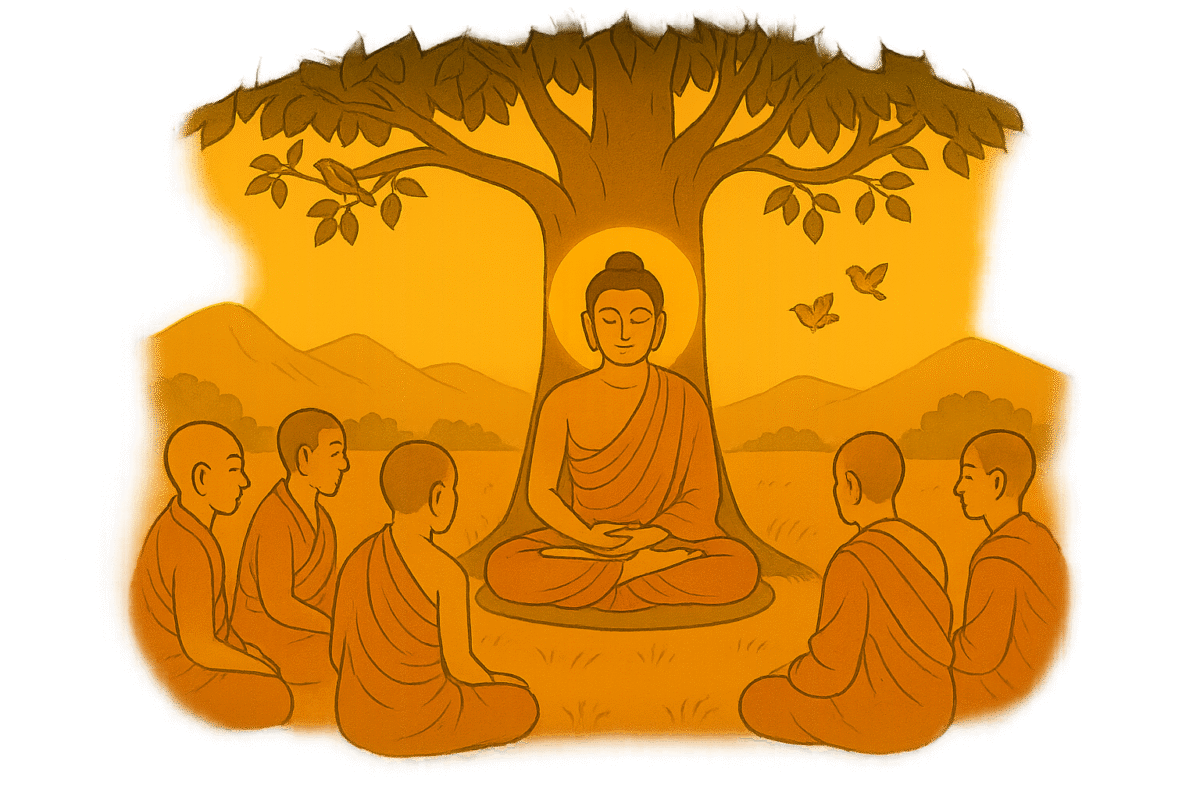
Early Buddhism
Mauryan Period
Gandhara Period
Gupta Period
Later
Location
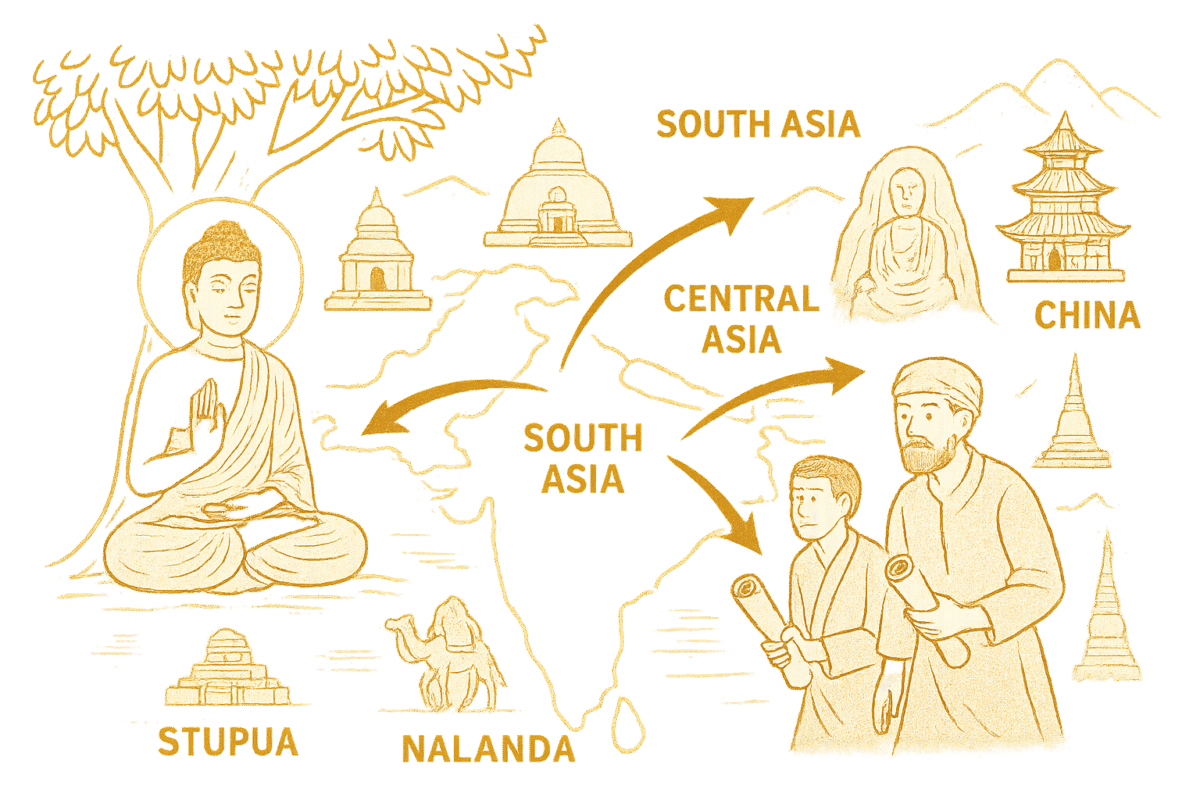
Origin: India (Buddha)
Spread: South, Central & East Asia
Sites: Taxila, Nalanda, Bamiyan, Gandhara, Ajanta
(500 – 300 BCE)
Teachings of Buddha: Four Noble Truths, Eightfold Path.
Monastic communities (Sanghas) established.
Use of oral tradition for preserving teachings.
(3rd Century BCE)
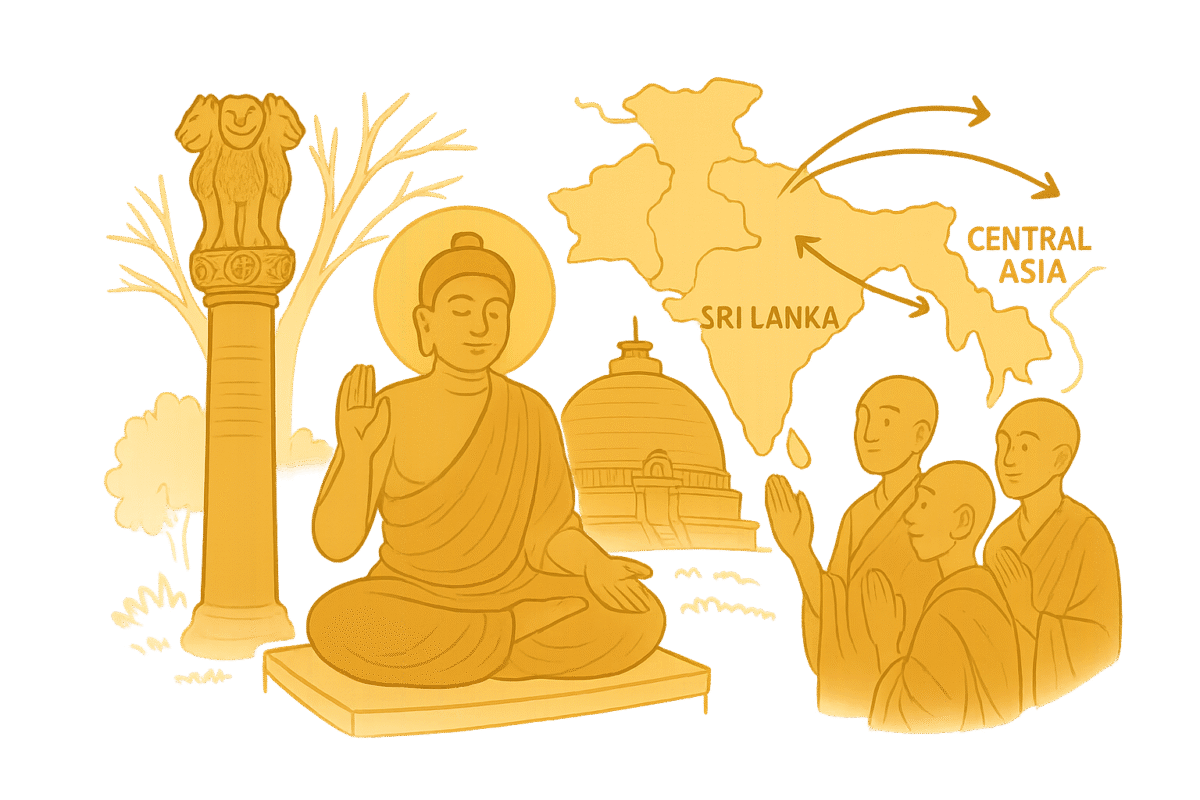
Emperor Ashoka adopted Buddhism after Kalinga War.
Built stupas and pillars (Sanchi, Bodh Gaya).
Sent missionaries to Sri Lanka & Central Asia.
(1st – 4th CE)
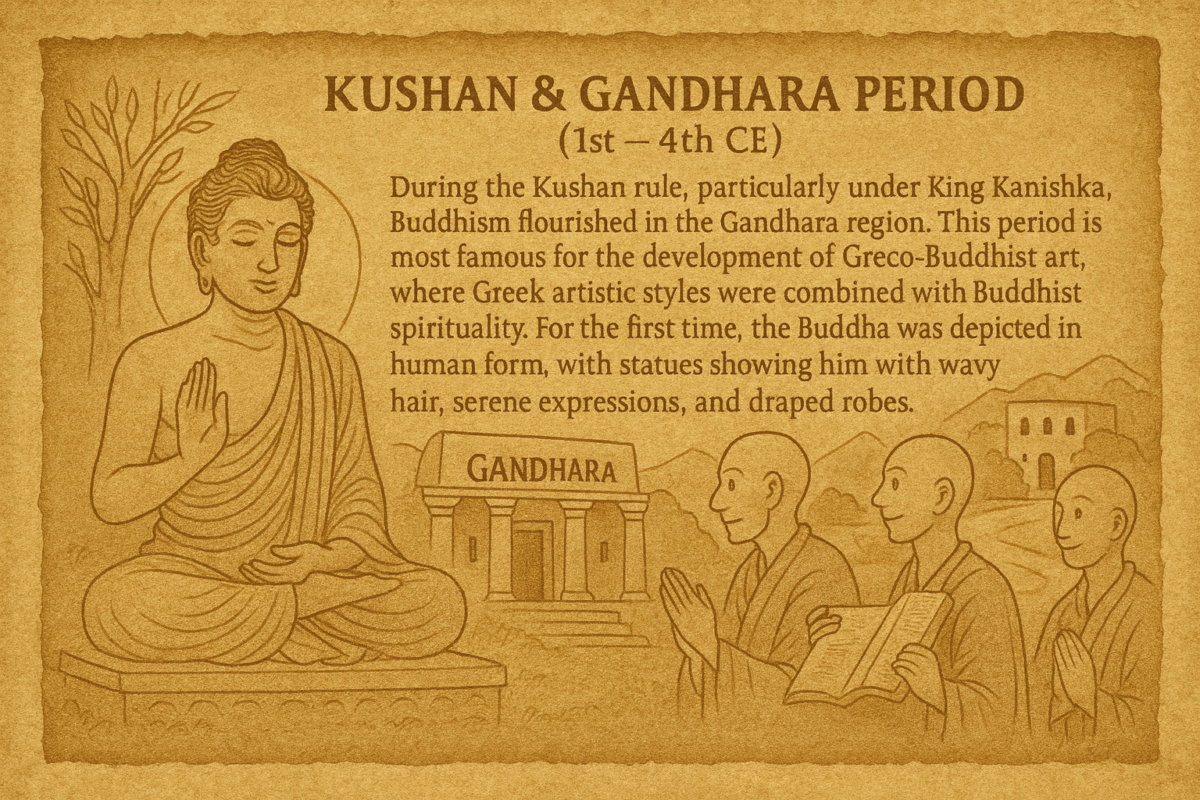
Flourishing of Greco-Buddhist art in Gandhara.
First anthropomorphic images of Buddha.
Monasteries became centers of learning and culture.
(4th – 6th CE)
Peak of Buddhist architecture and sculpture.
Ajanta caves: Paintings and carvings.
Nalanda University founded as global Buddhist learning hub.
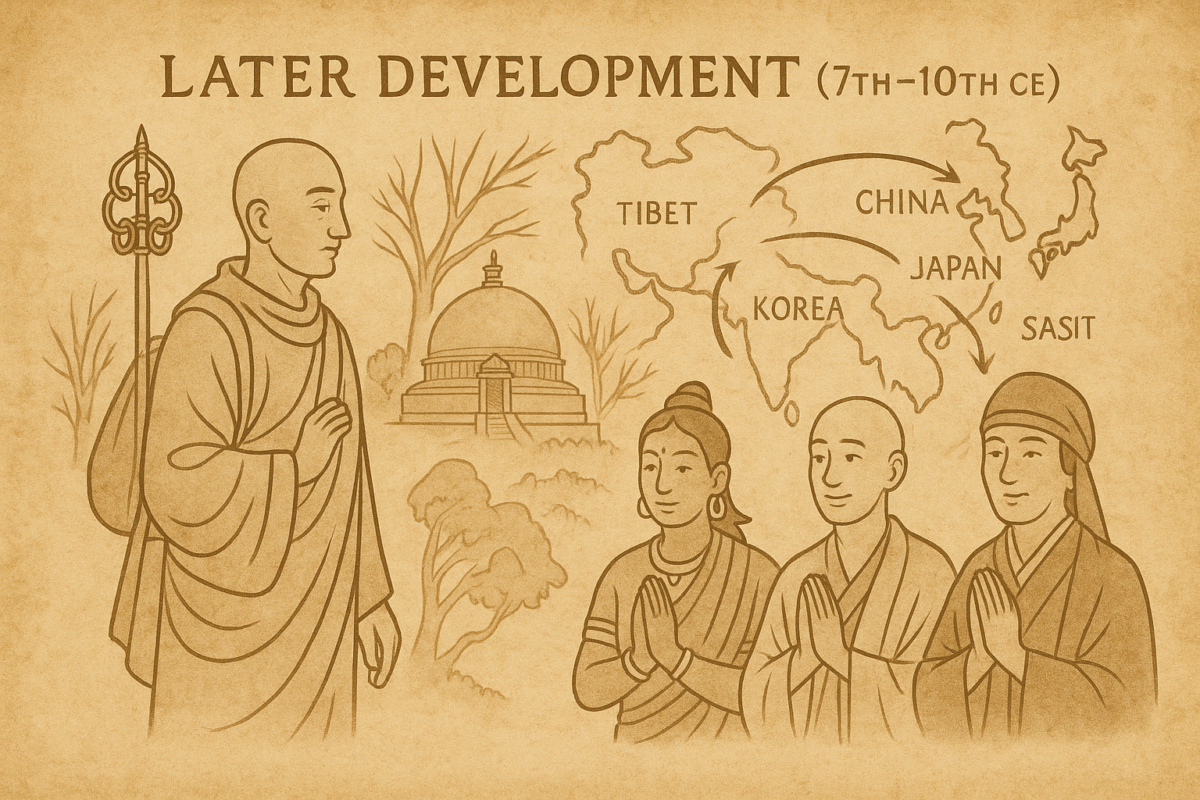
(7th – 10th CE)
Buddhism spread to Tibet, China, Korea, Japan, and Southeast Asia.
Monks like Xuanzang documented Buddhist centers in India.
Decline in India after invasions but flourished abroad.
Art Legacy: Foundation of Buddhist art styles