History

Gandhara Civilization

(1500 BCE – 1000 CE) Unique fusion of Buddhist and Hellenistic influences

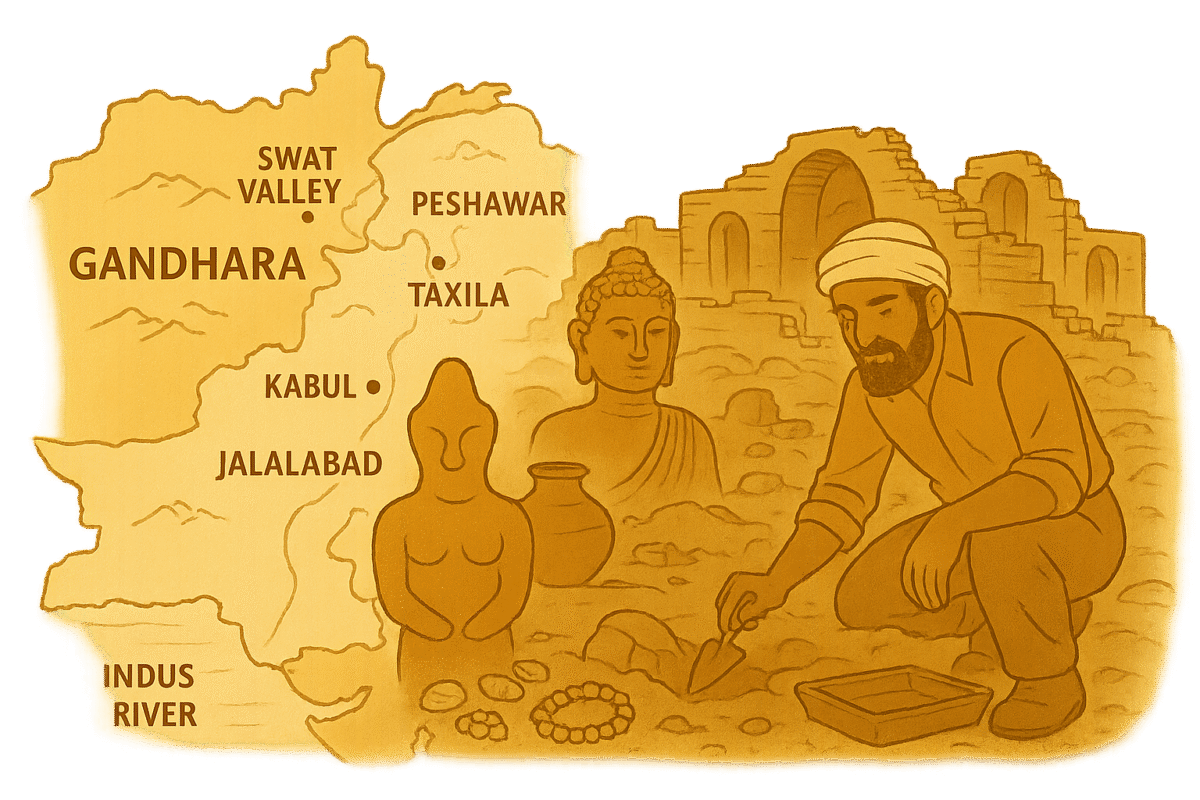
Discovery

Situated in Northwest Pakistan & eastern Afghanistan (Swat, Peshawar, Taxila, Kabul, Jalalabad)

Mentioned in Rigveda

Rediscovered in 19th–20th century excavations.

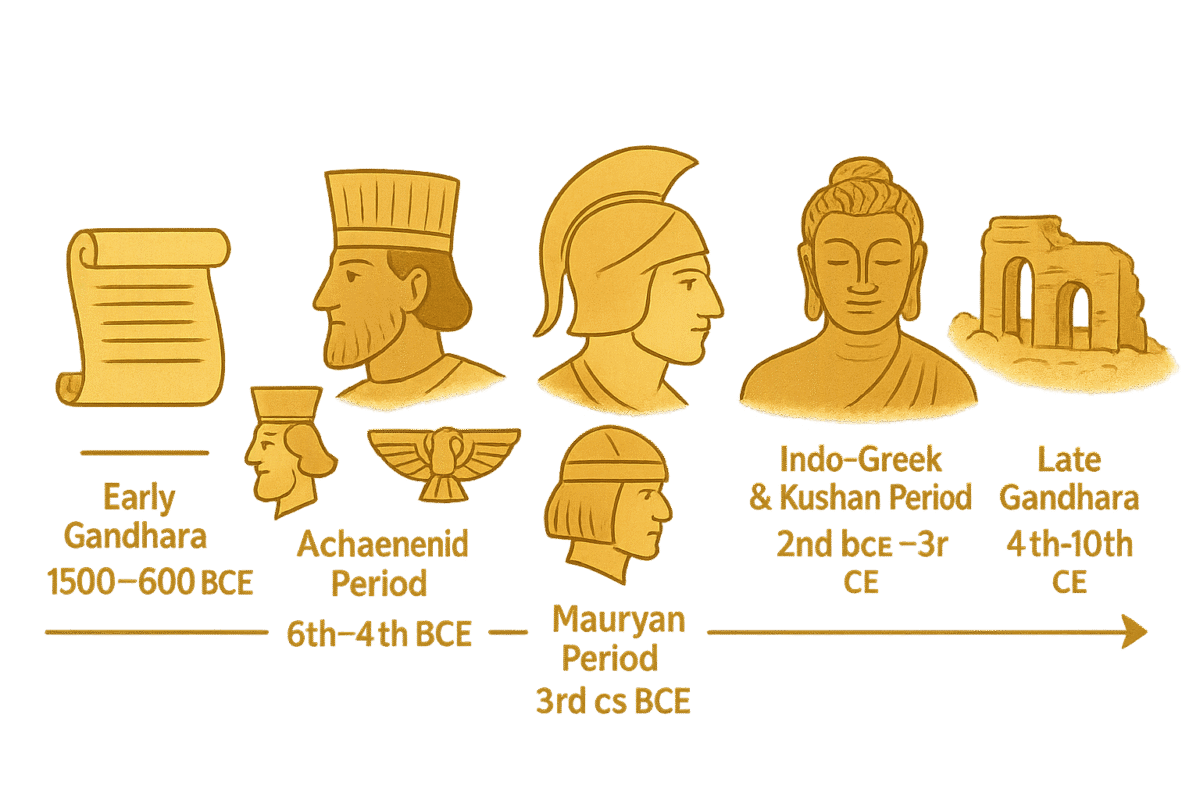
Phases

Early (1500–600 BCE): Vedic texts, Indo-Aryan settlements

Achaemenid (6th–4th BCE): Persian rule under Darius I

Alexander (327 BCE): Greek influence enters

Mauryan (3rd BCE): Ashoka promotes Buddhism, stupas built

Indo-Greek & Kushan (2nd BCE–3rd CE): Greco-Buddhist art peak

Late (4th–1000 CE): Kushan rule, later decline
Art

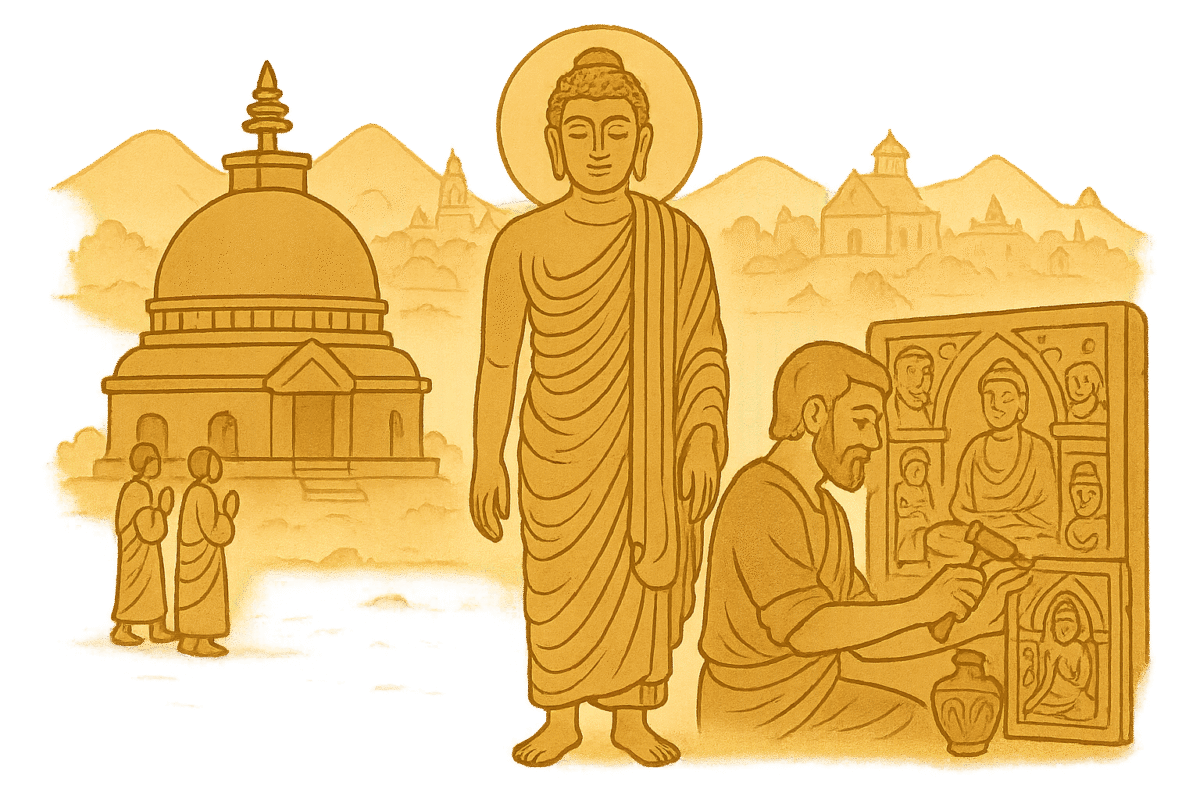
Greco-Buddhist art style

Buddha statues with Greek features

Stupas & monasteries (Taxila, Butkara, Jamal Garhi)

Stone carvings of Buddha’s life & tales

Economy

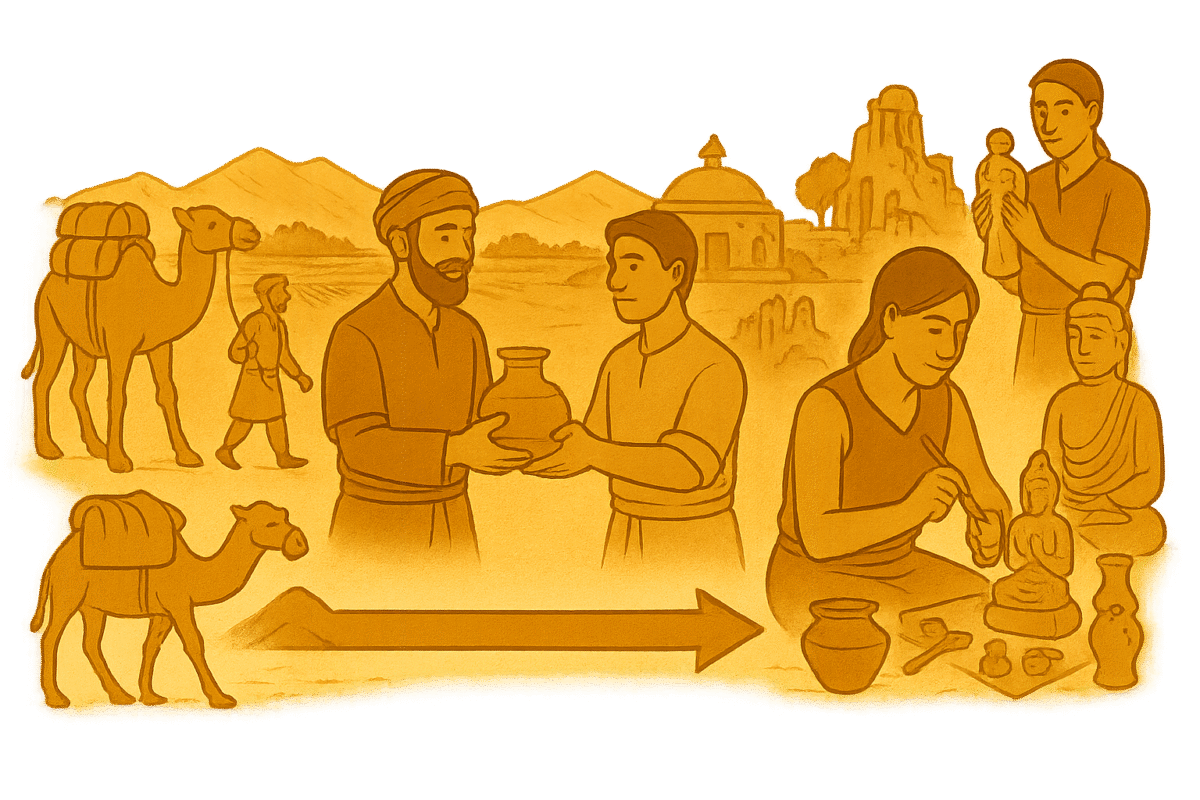
Benefited from Silk Road trade.

Exported art, sculptures, and crafts.

Agriculture and local crafts supported urban life.

Religion

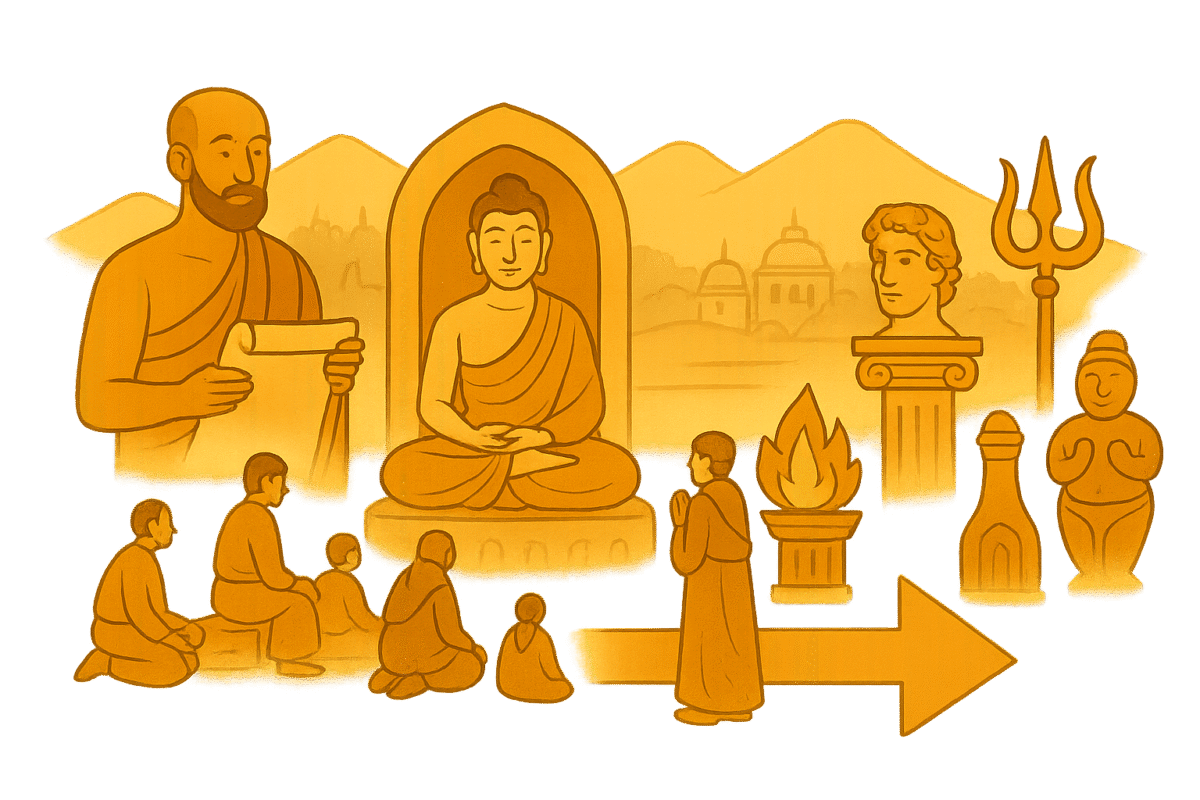
Buddhism hub: Spread to Central Asia & China

Influences: Zoroastrian, Greek, Hindu beliefs

Monasteries: Learning centers for monks & pilgrims

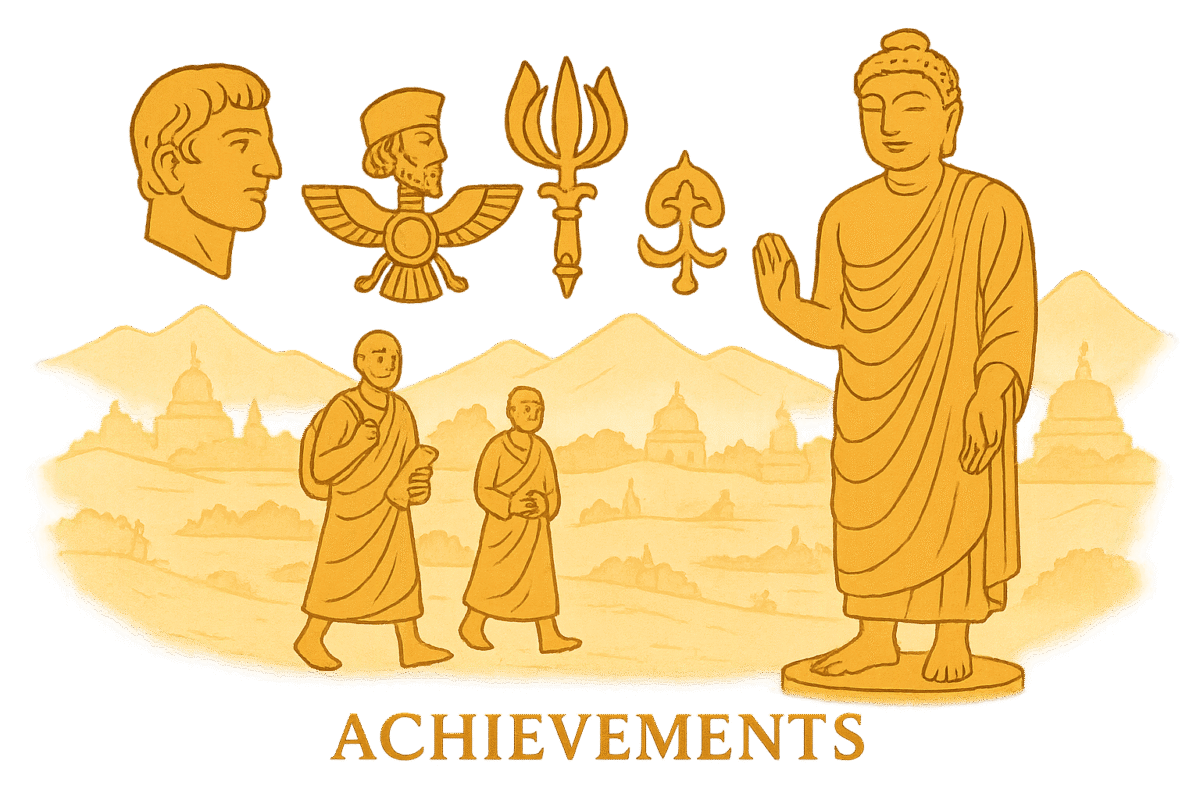
Achievements

Buddha Images: First human depictions

Buddhism Spread: To East & Central Asia

Cultural Fusion: Greek, Persian, Indian, Central Asian

Art Legacy: Foundation of Buddhist art styles